



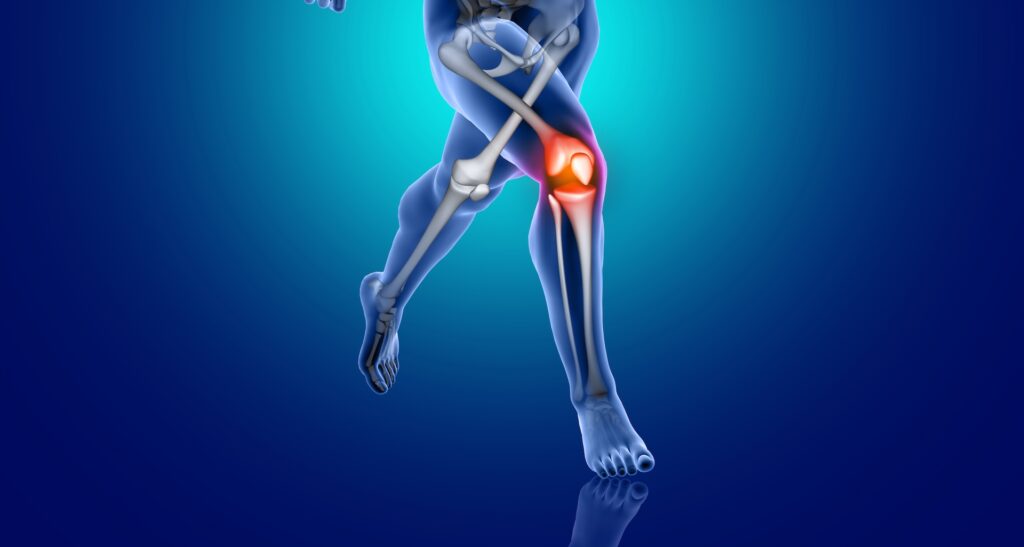
Knee Arthritis: Causes, Symptoms, and Treatment Options
Knee Arthritis: Causes, Symptoms, and Treatment Options
Knee arthritis is one of the most common causes of chronic knee pain and disability worldwide. It can affect people of all ages, although it is more frequently seen in older adults. If left untreated, knee arthritis can significantly impact mobility and reduce quality of life.
Understanding the causes, symptoms, and available treatment options can help patients seek timely medical care and manage the condition effectively.
What is Knee Arthritis?
Knee arthritis refers to inflammation and degeneration of the knee joint. Over time, the protective cartilage that cushions the bones gradually wears away, causing pain, stiffness, and reduced movement.
As the condition progresses, the bones may rub directly against each other, resulting in severe discomfort and functional limitations.
Types of Knee Arthritis
Osteoarthritis
Osteoarthritis is the most common form of knee arthritis. It develops due to gradual wear and tear of the joint cartilage over time.
Rheumatoid Arthritis
Rheumatoid arthritis is an autoimmune disorder in which the body’s immune system attacks the lining of the joints, causing chronic inflammation.
Post-Traumatic Arthritis
This type of arthritis develops following an injury to the knee, such as fractures, ligament tears, or meniscal injuries.
Causes of Knee Arthritis
Several factors contribute to the development of knee arthritis, including:
- Advancing age
- Obesity
- Previous knee injuries
- Family history of arthritis
- Repetitive stress on the knee joint
- Sedentary lifestyle
- Inflammatory diseases
- Joint deformities
Common Symptoms of Knee Arthritis
Symptoms usually develop gradually and worsen over time.
Persistent Knee Pain
Pain during walking, standing, or climbing stairs is often the earliest symptom.
Joint Stiffness
Many patients experience stiffness, particularly after waking up or following prolonged periods of inactivity.
Swelling
Inflammation within the joint may cause visible swelling and tenderness.
Reduced Range of Motion
Patients may find it difficult to bend or straighten the knee completely.
Grinding Sensation
A cracking, grinding, or popping sensation during movement may occur due to cartilage loss.
Difficulty Performing Daily Activities
Simple activities such as walking, sitting, standing, or climbing stairs may become increasingly difficult.
How is Knee Arthritis Diagnosed?
An orthopaedic specialist typically diagnoses knee arthritis through:
Medical History and Physical Examination
The doctor evaluates symptoms, joint movement, and functional limitations.
Imaging Studies
X-rays help determine the extent of cartilage loss and joint damage. MRI scans may be recommended in selected cases.
Laboratory Tests
Blood tests may be ordered if inflammatory arthritis is suspected.
Non-Surgical Treatment Options
Early-stage arthritis can often be managed without surgery.
Lifestyle Modifications
Maintaining a healthy weight can significantly reduce stress on the knee joint.
Physiotherapy
Strengthening exercises improve joint stability and mobility.
Medications
Pain-relieving and anti-inflammatory medications may help control symptoms.
Activity Modification
Avoiding activities that place excessive strain on the knee can reduce pain.
Assistive Devices
Walking aids or knee braces may provide additional support.
When is Knee Replacement Surgery Needed?
Knee replacement surgery may be recommended when:
- Severe pain persists despite conservative treatment.
- Daily activities become significantly limited.
- Joint damage is advanced.
- Pain affects sleep and overall quality of life.
Total knee replacement is considered one of the most effective treatments for advanced knee arthritis.
Can Knee Arthritis Be Prevented?
Although arthritis cannot always be prevented, the following measures may reduce risk:
- Maintain a healthy body weight.
- Exercise regularly.
- Strengthen muscles around the knee.
- Avoid repetitive joint stress.
- Seek treatment promptly for knee injuries.
When Should You See an Orthopaedic Specialist?
Consult an orthopaedic doctor if you experience:
- Persistent knee pain lasting several weeks
- Swelling or stiffness that does not improve
- Difficulty walking or climbing stairs
- Reduced mobility
- Pain that interferes with sleep
Early intervention can slow disease progression and improve long-term outcomes.
Conclusion
Knee arthritis is a progressive condition, but timely diagnosis and appropriate treatment can help patients maintain mobility and enjoy a better quality of life.
If you are experiencing chronic knee pain or symptoms of arthritis, schedule a consultation with Dr Tarun Ortho for a comprehensive evaluation and personalized treatment plan.
