



Can Arthritis Be Prevented? Tips to Keep Your Joints Healthy
Can Arthritis Be Prevented? Tips to Keep Your Joints Healthy
Arthritis is one of the leading causes of joint pain and disability worldwide. Millions of people experience pain, stiffness, and reduced mobility due to arthritis, especially as they age. While certain forms of arthritis cannot be completely prevented, adopting healthy lifestyle habits can significantly reduce the risk of developing joint problems and slow disease progression.
Taking care of your joints today can help you maintain mobility and independence for years to come.
What is Arthritis?
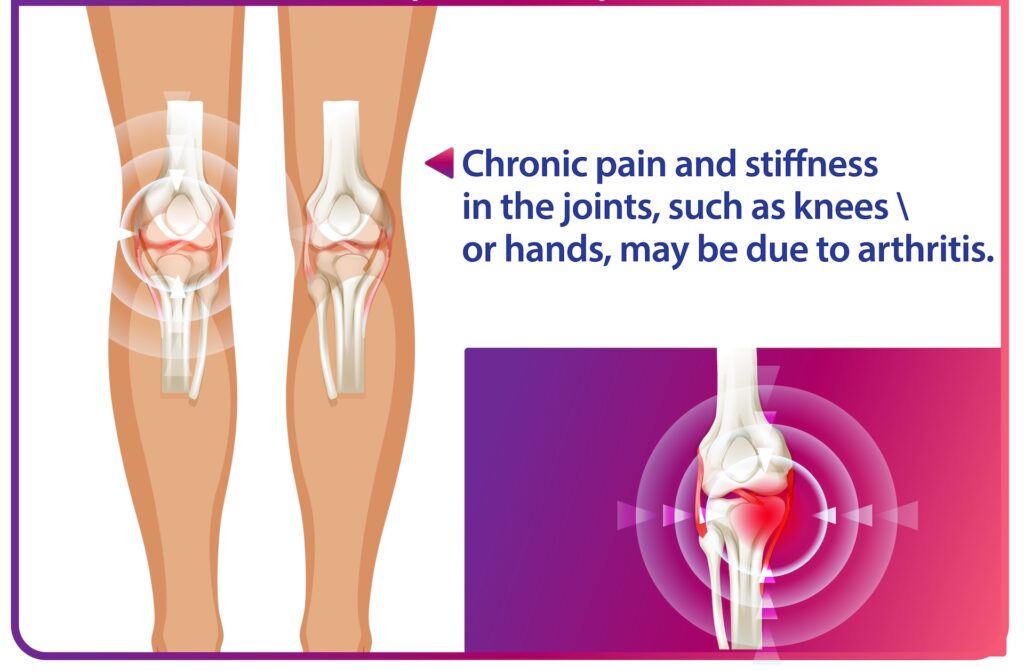
Arthritis refers to inflammation or degeneration of one or more joints. It commonly affects the knees, hips, hands, spine, and shoulders.
The most common types include:
- Osteoarthritis
- Rheumatoid arthritis
- Post-traumatic arthritis
- Gout
Among these, osteoarthritis is the most frequently diagnosed form and is primarily associated with age-related wear and tear.
Can Arthritis Be Completely Prevented?
Not all types of arthritis can be prevented. Factors such as age, genetics, and autoimmune conditions may increase the likelihood of developing arthritis.
However, many modifiable risk factors can be controlled. Maintaining a healthy lifestyle can help protect joints, delay cartilage degeneration, and reduce the severity of symptoms.
Tips to Keep Your Joints Healthy
1. Maintain a Healthy Body Weight
Excess body weight places significant stress on weight-bearing joints such as the knees and hips.
Research shows that even a modest reduction in body weight can decrease joint stress and lower the risk of osteoarthritis.
Maintaining a healthy weight is one of the most effective ways to protect your joints.
2. Exercise Regularly
Regular physical activity strengthens muscles that support the joints and improves flexibility.
Recommended activities include:
- Walking
- Swimming
- Cycling
- Stretching exercises
- Yoga
Low-impact exercises are particularly beneficial for joint health.
3. Strengthen Muscles Around the Joints
Strong muscles help stabilize joints and reduce excessive pressure on cartilage.
Strength-training exercises supervised by a healthcare professional or physiotherapist can improve joint support and reduce injury risk.
4. Avoid Joint Injuries
Previous joint injuries increase the likelihood of developing arthritis later in life.
Protect your joints by:
- Using proper sports techniques
- Wearing protective equipment
- Avoiding overtraining
- Following workplace safety measures
Prompt treatment of injuries is equally important.
5. Practice Good Posture
Poor posture places unnecessary stress on joints and surrounding muscles.
Maintaining proper posture while sitting, standing, and lifting objects can help prevent excessive joint strain.
6. Stay Physically Active
Long periods of inactivity can lead to stiffness and reduced flexibility.
Take short movement breaks throughout the day, especially if your work involves prolonged sitting.
7. Eat a Balanced Diet
A nutritious diet supports overall bone and joint health.
Include foods rich in:
- Calcium
- Vitamin D
- Protein
- Fruits and vegetables
- Omega-3 fatty acids
Balanced nutrition helps maintain strong bones and healthy cartilage.
8. Quit Smoking
Smoking negatively affects bone health and may increase the risk of certain forms of arthritis.
Quitting smoking improves overall musculoskeletal health and promotes better healing.
9. Manage Chronic Health Conditions
Conditions such as diabetes, obesity, and autoimmune diseases can affect joint health.
Regular medical checkups and proper management of chronic illnesses may reduce complications affecting the joints.
10. Seek Early Treatment for Joint Symptoms
Ignoring persistent joint pain, swelling, or stiffness may allow arthritis to progress.
Early diagnosis and timely intervention often lead to better treatment outcomes.
Common Risk Factors for Arthritis
Several factors increase the risk of arthritis, including:
- Advancing age
- Family history
- Obesity
- Previous joint injuries
- Repetitive stress on joints
- Autoimmune disorders
- Sedentary lifestyle
Understanding these risk factors can help individuals take preventive measures.
Warning Signs You Should Not Ignore
Consult an orthopaedic specialist if you experience:
- Persistent joint pain
- Swelling around joints
- Morning stiffness lasting longer than 30 minutes
- Difficulty walking or climbing stairs
- Reduced range of motion
- Pain that affects daily activities
Early intervention can help preserve joint function and improve quality of life.
How Can an Orthopaedic Specialist Help?
An orthopaedic specialist can:
- Diagnose the underlying cause of joint pain
- Recommend preventive strategies
- Develop personalized treatment plans
- Suggest lifestyle modifications
- Provide advanced treatment options when required
Timely expert evaluation can help delay progression and maintain long-term joint health.
Conclusion
Although arthritis cannot always be prevented, adopting healthy habits can significantly reduce the risk and help maintain strong, healthy joints. Regular exercise, weight management, balanced nutrition, and early medical care are essential for lifelong joint health.
If you are experiencing persistent joint pain or want expert advice on protecting your joints, consult Dr Tarun Ortho for comprehensive evaluation and personalized orthopaedic care.
