



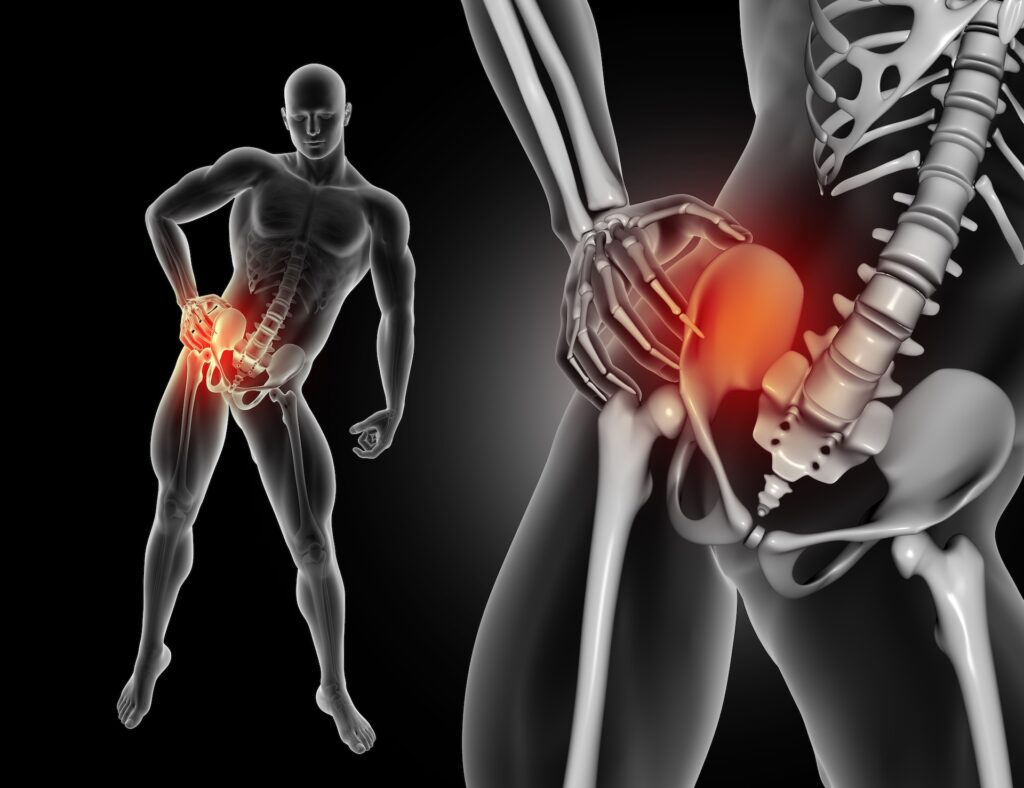
Hip Arthritis: Early Signs, Causes, and Treatment Options
Hip Arthritis: Early Signs, Causes, and Treatment Options
Hip arthritis is a common condition that affects millions of people worldwide. It can cause chronic pain, stiffness, and difficulty performing everyday activities such as walking, bending, or climbing stairs. Early diagnosis and timely treatment can help manage symptoms effectively and prevent further joint damage.
Understanding the early signs of hip arthritis is essential for seeking appropriate medical care and maintaining an active lifestyle.
What is Hip Arthritis?
Hip arthritis occurs when the cartilage that cushions the hip joint gradually wears away or becomes inflamed. The hip is a ball-and-socket joint that allows smooth movement. Damage to this protective cartilage can result in pain, stiffness, and reduced mobility.
As the condition progresses, bones may rub against each other, causing severe discomfort and functional limitations.
Types of Hip Arthritis
Osteoarthritis
Osteoarthritis is the most common type of hip arthritis. It develops gradually due to age-related wear and tear of the joint cartilage.
Rheumatoid Arthritis
Rheumatoid arthritis is an autoimmune condition in which the immune system attacks the joints, causing inflammation and progressive damage.
Post-Traumatic Arthritis
This form of arthritis develops after an injury such as a fracture or dislocation involving the hip joint.
Avascular Necrosis
Loss of blood supply to the hip bone can lead to joint collapse and secondary arthritis.
Early Signs of Hip Arthritis
Recognizing symptoms early allows timely intervention.
Hip or Groin Pain
Pain in the groin area is one of the earliest and most common symptoms of hip arthritis. Pain may also radiate to the thigh, buttock, or knee.
Morning Stiffness
Stiffness after waking up or after prolonged sitting is frequently reported by patients with arthritis.
Difficulty Walking
Many patients notice pain or limping while walking, especially over longer distances.
Reduced Range of Motion
Activities such as bending, squatting, wearing shoes, or getting into a car may become difficult.
Pain During Activity
Pain may initially occur only during physical activity but can gradually progress to pain at rest.
Clicking or Grinding Sensation
Some individuals experience grinding, clicking, or popping sensations within the hip joint.
Causes and Risk Factors
Several factors increase the risk of developing hip arthritis.
Increasing Age
The likelihood of osteoarthritis increases with age.
Obesity
Excess body weight places additional stress on the hip joints.
Family History
A family history of arthritis may increase susceptibility.
Previous Injuries
Past hip injuries or fractures can contribute to the development of arthritis.
Repetitive Joint Stress
Occupations or activities involving repetitive stress may increase risk.
Inflammatory Disorders
Autoimmune diseases such as rheumatoid arthritis can damage the hip joint.
How is Hip Arthritis Diagnosed?
Diagnosis typically involves:
Medical History and Physical Examination
The orthopaedic specialist evaluates symptoms, gait, and joint movement.
Imaging Studies
X-rays are commonly used to assess cartilage loss and joint damage. MRI scans may be recommended in selected cases.
Laboratory Investigations
Blood tests may help diagnose inflammatory arthritis.
Non-Surgical Treatment Options
Early-stage hip arthritis can often be managed conservatively.
Lifestyle Modifications
Weight management and activity modification can reduce stress on the joint.
Physiotherapy
Strengthening and flexibility exercises improve mobility and support the hip joint.
Medications
Pain-relieving and anti-inflammatory medications may help control symptoms.
Assistive Devices
Walking aids may improve mobility and reduce discomfort.
When is Hip Replacement Surgery Recommended?
Hip replacement surgery may be advised when:
- Pain becomes severe and persistent.
- Daily activities are significantly restricted.
- Conservative treatments no longer provide relief.
- Joint damage is advanced.
- Pain affects sleep and overall quality of life.
Total hip replacement is one of the most effective procedures for advanced hip arthritis.
Tips for Maintaining Healthy Hip Joints
- Maintain a healthy body weight.
- Stay physically active.
- Strengthen muscles around the hip.
- Avoid smoking.
- Seek prompt treatment for hip injuries.
- Follow a balanced diet rich in calcium and Vitamin D.
When Should You Consult an Orthopaedic Specialist?
You should seek medical attention if you experience:
- Persistent hip or groin pain
- Difficulty walking
- Stiffness that limits daily activities
- Limping
- Pain during rest or sleep
Early diagnosis and treatment can help preserve joint function and delay disease progression.
Conclusion
Hip arthritis can significantly affect mobility and quality of life, but timely diagnosis and appropriate treatment can help patients remain active and independent.
If you are experiencing persistent hip pain or stiffness, consult Dr Tarun Ortho for expert evaluation and personalized treatment options designed to restore comfort and mobility.

1 Comment
Hip Replacement Myths & Facts | English + Telugu
[…] reading: Hip arthritis: early signs and treatment options and what to expect before, during and after joint replacement […]