



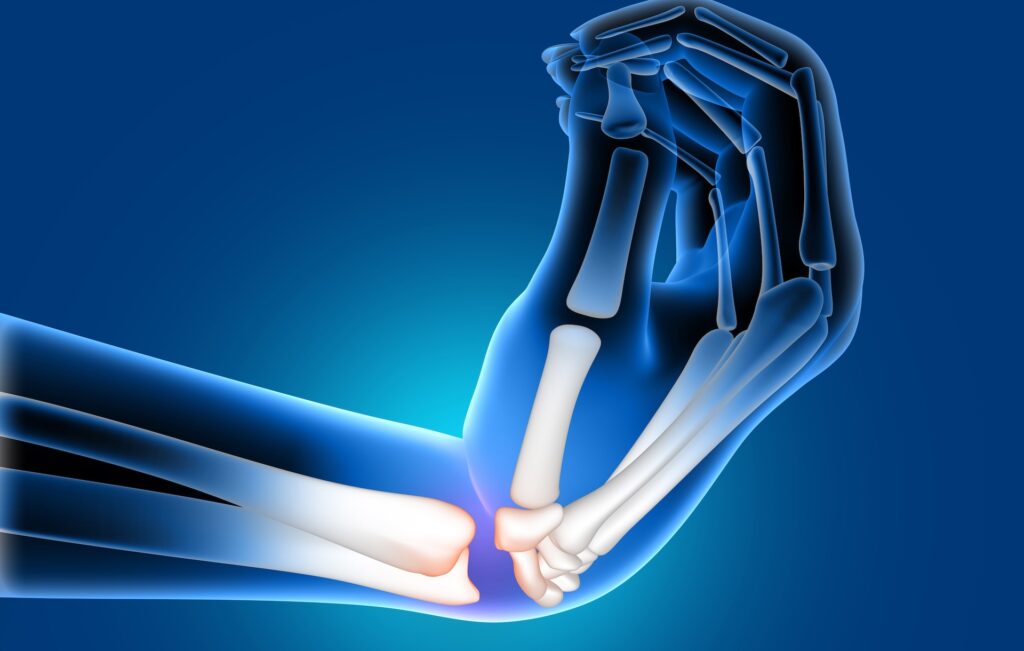
Arthritis vs Normal Joint Pain: How to Tell the Difference
Arthritis vs Normal Joint Pain: How to Tell the Difference
Joint pain is a common complaint among people of all age groups. While occasional aches and pains may occur due to physical activity or minor injuries, persistent joint discomfort could indicate arthritis.
Many individuals ignore early symptoms, assuming that joint pain is simply a part of aging. However, recognizing the difference between normal joint pain and arthritis is essential for early diagnosis and effective treatment.
What is Normal Joint Pain?
Normal joint pain usually occurs due to overuse, temporary strain, minor injuries, or intense physical activity. It is generally short-lived and improves with rest and simple home remedies.
Common Causes of Normal Joint Pain
- Excessive physical activity
- Muscle strain
- Sports injuries
- Poor posture
- Temporary inflammation
- Minor ligament injuries
In most cases, the pain subsides within a few days or weeks.
What is Arthritis?
Arthritis is a medical condition characterized by inflammation and degeneration of one or more joints. It can cause persistent pain, stiffness, swelling, and reduced mobility.
There are over 100 different types of arthritis, but the most common include:
Osteoarthritis
Osteoarthritis occurs due to wear and tear of joint cartilage over time. It commonly affects the knees, hips, spine, and hands.
Rheumatoid Arthritis
Rheumatoid arthritis is an autoimmune disease in which the body’s immune system attacks healthy joint tissues, causing chronic inflammation.
Key Differences Between Arthritis and Normal Joint Pain
| Feature | Normal Joint Pain | Arthritis |
| Duration | Temporary | Persistent or progressive |
| Swelling | Usually absent | Common |
| Morning Stiffness | Minimal | Often lasts longer than 30 minutes |
| Joint Deformity | Rare | May occur in advanced stages |
| Pain at Rest | Uncommon | Frequently present |
| Range of Motion | Usually normal | Reduced over time |
Warning Signs That May Indicate Arthritis
Persistent Pain
Joint pain lasting for several weeks or months should not be ignored.
Morning Stiffness
If your joints remain stiff for more than 30 minutes after waking up, arthritis could be the cause.
Swelling Around the Joint
Visible swelling, tenderness, or warmth around a joint often indicates inflammation.
Reduced Mobility
Difficulty bending, walking, or performing daily activities may suggest progressive joint damage.
Joint Sounds
Grinding, cracking, or popping sensations during movement can occur due to cartilage degeneration.
Pain During Rest
Pain that continues even while resting or sleeping may indicate advanced arthritis.
Risk Factors for Arthritis
Several factors increase the likelihood of developing arthritis, including:
- Increasing age
- Family history
- Obesity
- Previous joint injuries
- Repetitive stress on joints
- Autoimmune diseases
- Sedentary lifestyle
How is Arthritis Diagnosed?
An orthopaedic specialist may recommend:
- Physical examination
- X-rays
- MRI scans
- Blood investigations
- Assessment of joint function and mobility
Early diagnosis helps prevent further joint damage and improves treatment outcomes.
Treatment Options for Arthritis
Treatment depends on the severity and type of arthritis.
Non-Surgical Treatments
- Medications
- Physiotherapy
- Lifestyle modifications
- Weight management
- Joint strengthening exercises
- Injections when appropriate
Surgical Treatments
When conservative measures fail and joint damage becomes severe, joint replacement surgery may be recommended.
Tips to Maintain Healthy Joints
- Maintain a healthy body weight.
- Exercise regularly.
- Avoid prolonged inactivity.
- Eat a balanced diet rich in calcium and Vitamin D.
- Protect joints from injuries.
- Seek medical attention for persistent symptoms.
When Should You See an Orthopaedic Specialist?
Consult an orthopaedic doctor if you experience:
- Persistent joint pain for more than a few weeks
- Swelling or redness around joints
- Difficulty performing daily activities
- Significant stiffness or reduced mobility
- Pain that affects sleep
Conclusion
Not all joint pain is arthritis, but persistent symptoms should never be ignored. Early diagnosis and timely treatment can help preserve joint function, reduce pain, and improve quality of life.
If you are experiencing ongoing joint pain or stiffness, schedule a consultation with Dr Tarun Ortho for a comprehensive evaluation and personalized treatment plan.
