



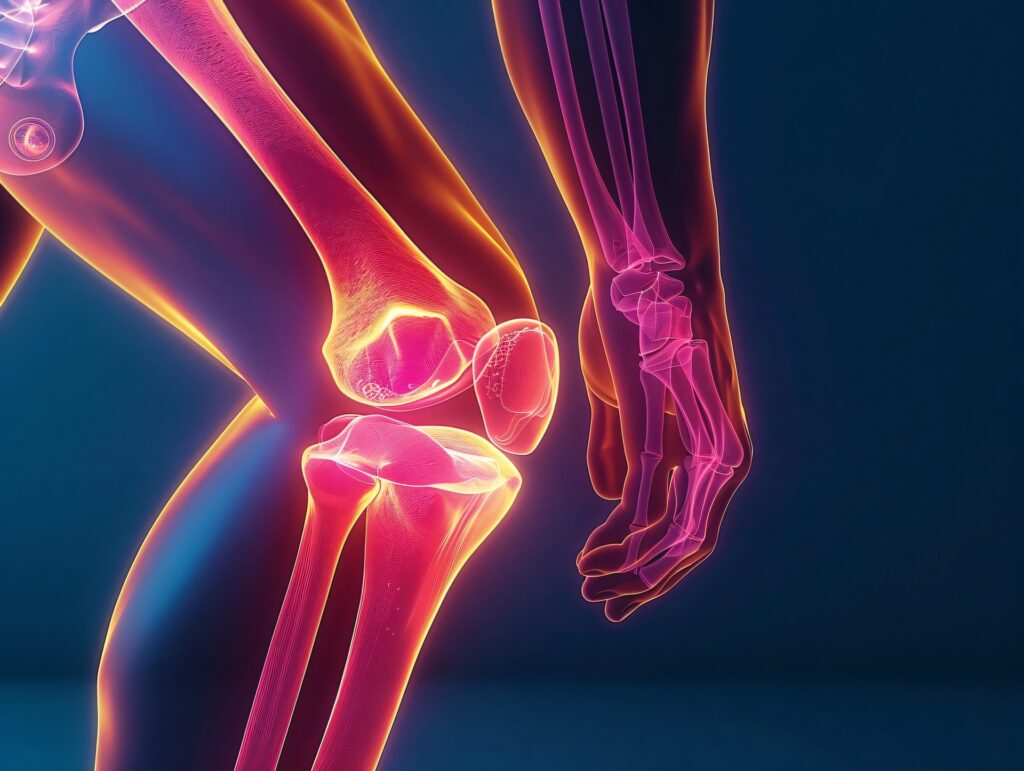
10 Signs You May Need Knee Replacement Surgery
10 Signs You May Need Knee Replacement Surgery
Knee pain can significantly impact your quality of life, making everyday activities such as walking, climbing stairs, or even standing difficult. While many patients can manage knee pain with medications, physiotherapy, and lifestyle modifications, some individuals may eventually require knee replacement surgery.
Understanding the warning signs can help you seek timely treatment and regain an active lifestyle.
What is Knee Replacement Surgery?
Knee replacement surgery, also known as total knee arthroplasty, is a procedure in which damaged portions of the knee joint are replaced with artificial implants. It is commonly recommended for patients suffering from severe arthritis or advanced joint damage.
Top 10 Signs You May Need Knee Replacement Surgery
1. Persistent Knee Pain
If you experience knee pain that persists for several months despite medication, physiotherapy, or rest, it may indicate severe joint damage.
2. Difficulty Walking
Struggling to walk short distances, requiring support while walking, or experiencing limping are common signs of advanced knee arthritis.
3. Pain While Climbing Stairs
Pain or discomfort while climbing or descending stairs often indicates deterioration of the knee joint cartilage.
4. Stiffness in the Knee
Morning stiffness or reduced ability to bend and straighten the knee can significantly affect daily activities.
5. Swelling That Doesn’t Improve
Chronic swelling, inflammation, and tenderness around the knee that do not improve with conservative treatments may require further evaluation.
6. Severe Arthritis Diagnosed on X-rays
X-rays showing advanced osteoarthritis, cartilage loss, or bone-on-bone contact often indicate the need for joint replacement surgery.
7. Knee Deformity
Visible bowing inward or outward of the knee can occur due to severe arthritis and may require surgical correction.
8. Reduced Mobility
If knee pain prevents you from participating in activities you once enjoyed, such as walking, exercising, or social activities, it is important to consult an orthopaedic specialist.
9. Pain at Rest or During Sleep
Knee pain that continues even while resting or sleeping is often a sign of advanced joint degeneration.
10. Conservative Treatments No Longer Work
When medications, injections, weight management, and physiotherapy fail to provide lasting relief, knee replacement surgery may become the best treatment option.
Benefits of Knee Replacement Surgery
Modern knee replacement techniques offer numerous advantages, including:
- Significant pain relief
- Improved joint function
- Better mobility and independence
- Enhanced quality of life
- Faster recovery with advanced surgical techniques
Is It Time to Consult an Orthopaedic Specialist?
If you are experiencing one or more of these symptoms, seeking expert evaluation can help determine the most appropriate treatment plan. Early diagnosis and timely intervention can prevent further joint damage and improve long-term outcomes.
At Dr Tarun Ortho, comprehensive evaluation and advanced treatment options are available for patients suffering from knee arthritis and chronic knee pain.
Conclusion
Living with chronic knee pain should not be considered a normal part of aging. If knee pain is affecting your daily activities and overall well-being, consult an orthopaedic specialist to explore whether knee replacement surgery is right for you.
Book an appointment today to discuss your symptoms and begin your journey toward pain-free movement.
